


Your Questions About Nicotine Pouches Answered
Nicotine pouches versus nicotine patches?
Nicotine pouches and nicotine patches are not the same thing. Nicotine pouches are placed in the mouth, while nicotine patches are worn on the skin.
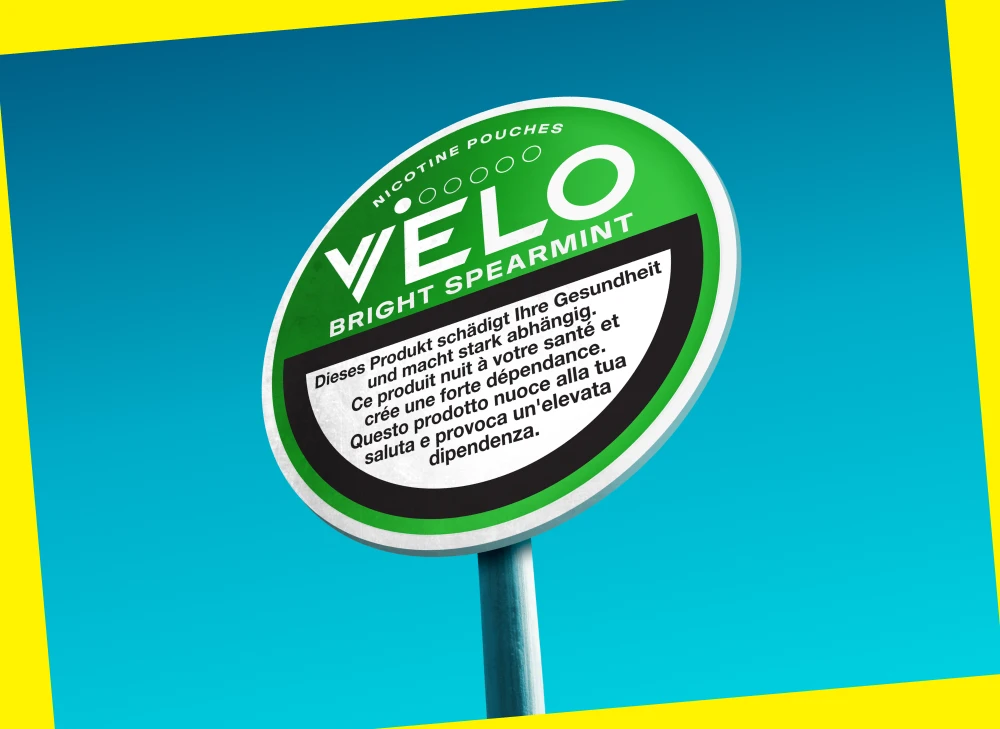
Nicotine pouches are small, tobacco leaf free** packets—like VELO—that deliver nicotine through the gum when placed between the upper lip and gum*.
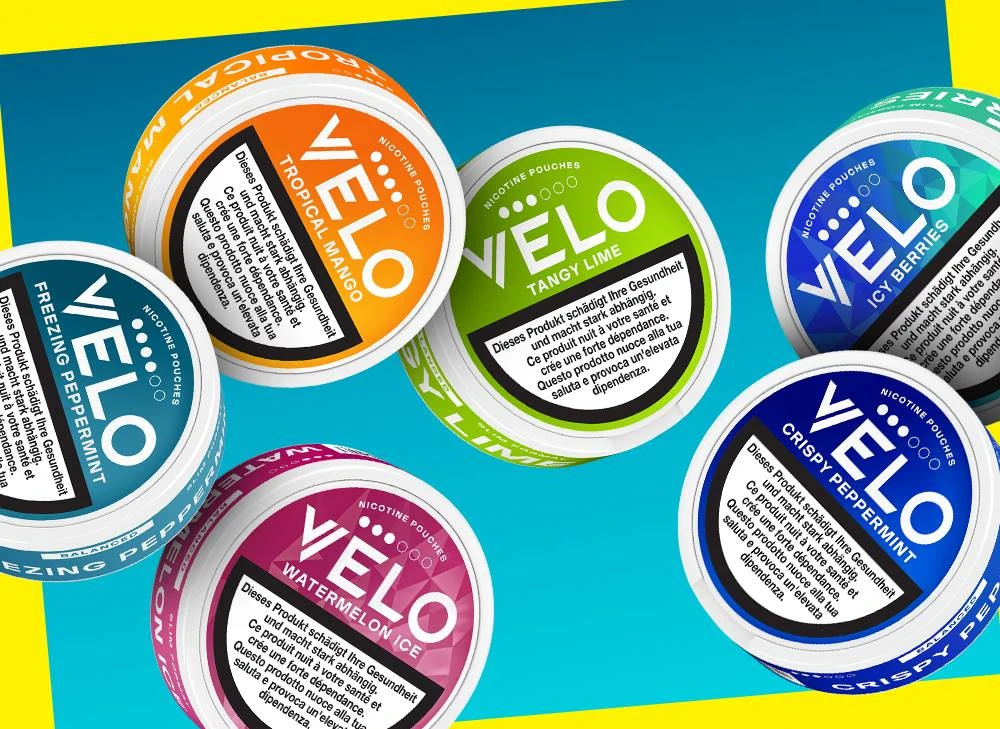
They are for recreational purposes and are available in various flavours and strengths (4–17 mg; Smooth, Balanced, Intense). They are not licensed or marketed as smoking cessation aids.
Nicotine patches are sold as nicotine replacement therapies (NRT) and used as a tool for quitting smoking. The nicotine is absorbed through the skin, and come in various strengths, usually ranging from 7 to 21 mg depending on the brand
What ingredients are used in Velo nicotine pouches?
VELO pouches are made from high-quality ingredients, including water, plant-based materials, flavouring, sweeteners, salts and tobacco leaf free**, pharmaceutical grade nicotine*, all prepacked in a small pouch.
VELO nicotine pouches offer a modern way to use nicotine, providing convenient use anytime, anywhere. Additionally, these pouches are available in a variety of flavours and nicotine strengths to accommodate the diverse preferences of adult nicotine users.
Does nicotine cause cancer?
No. The primary cause of smoking-related disease is not exposure to nicotine, but to the 150 toxicants among the over 7,500 distinct compounds created by the burning of tobacco, of which 150 are known to be harmful, and more than 60 are carcinogens (can cause cancer)—rather than nicotine itself. [1,2,3]
The World Health Organization (WHO) does not classify nicotine as carcinogenic [4] and many other national health authorities [5] recognise that nicotine, while addictive, does not directly cause cancer.
*This product is not risk-free and contains nicotine, an addictive substance.
**Except in Japan where VELO pouches may contain tobacco
[1] IARC Working Group on the Evaluation of Carcinogenic Risks to Humans, Tobacco smoke and involuntary smoking (No. 83). World Health Organization and International Agency for Research on Cancer, 2004. Available at: https://www.ncbi.nlm.nih.gov/books/NBK316407/
[2] Jenkins, R.A., et al., Mainstream and sidestream smoke. In The chemistry of environmental tobacco smoke: composition and measurement (2nd ed.), CRC Press, 2000. p 49-75. DOI: 10.1201/9781482278651
[3] Rodgman, A. and Perfetti, T.A., The chemical components of tobacco and tobacco smoke. CRC press, 2013. DOI: 10.1201/b1397
[4] World Health Organization and International Agency for Research on Cancer, IARC Monographs on the Identification of Carcinogenic Hazards to Humans. Available at: https://monographs.iarc.who.int/agents-classified-by-the-iarc/ (Accessed: 15 July 2024)
[5] U.K. National Health Service (NHS), Vaping myths and the facts. Available at: https://www.nhs.uk/better-health/quit-smoking/vaping-to-quitsmoking/vaping-myths-and-the-facts/ (Accessed: 15 July 2024)
Blog
-
 Read more >
VELO nicotine pouches benefits for you
Why VELO? VELO nicotine pouches offer you a number of advantages over traditional tobacco products
-
 Read more >
VELO nicotine pouch guide – find out how to use nicotine pouches
Discover VELO nicotine pouches, a alternative to traditional cigarettes. Learn how to use them and explore their flavours.
-
 Read more >
Outdoor adventures: VELO nicotine pouches for outdoor enthusiasts
Find out why VELO is suitable anytime and anywhere. With VELO you can consume nicotine - at any time. Read more here!
JOIN OUR NEWSLETTER
Sign up for our newsletter and be the first to hear about limited edition flavours, special offers and the latest from VELO.
